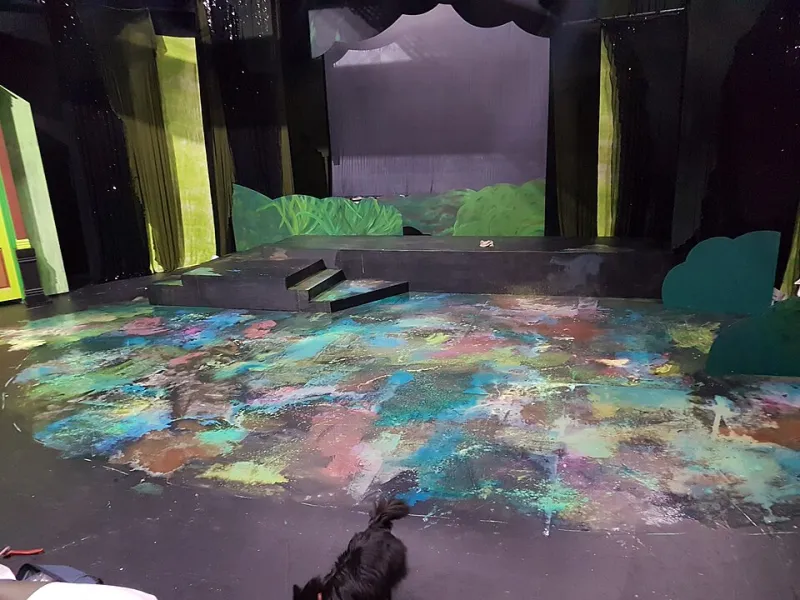
After the Wrap: Building a Second Life for Every Set You Make
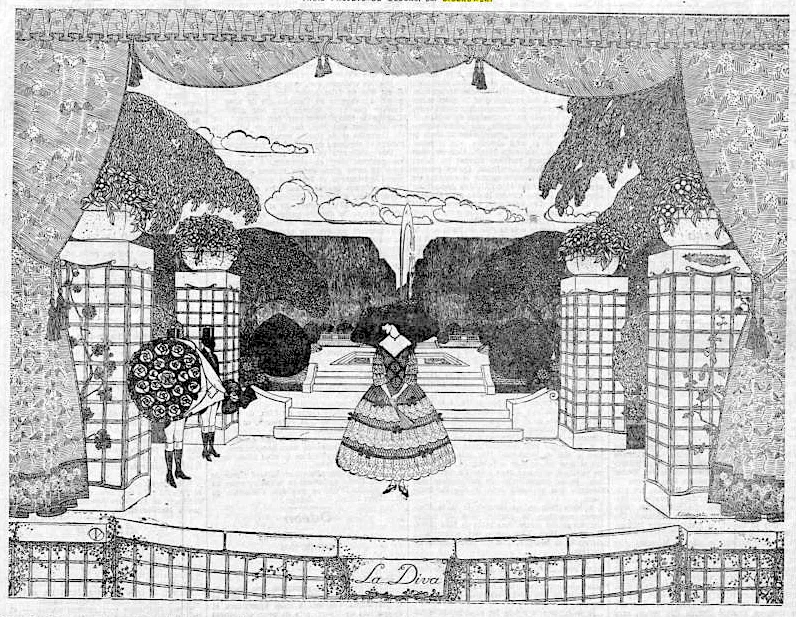
Photo: H. S. Ciolkowski, Public domain, via Wikimedia Commons
Cameras wrap. The crew goes home. And the diner counter you spent three weeks aging with tea stains and cigarette burns becomes a problem with a zip code.
Maybe it goes to a prop house in Atlanta. Maybe a community theater in Chicago gets the booths. Maybe it sits in a storage unit in Burbank, costing more every month than the original build. Or maybe it goes into a dumpster in a parking lot while someone posts a wistful photo captioned the end. That last one is still the default in a lot of places. It should not be.
The afterlife of a set is not an afterthought. It is a design decision you make before the first truck arrives. And in 2026, the studios treating it that way are finding something surprising: the second life of a set can pay for part of the first.
The Set-Reuse Economy Is Not a Charity Bin
There is a whole quiet market behind the credits. Prop houses buy and rent. Theater companies take donations. Schools with drama programs take donations. Habitat for Humanity ReStores take building materials. Online resale platforms move everything from mid-century lamps to fake hospital signs. None of this is new. What is new is the number of studios treating it as a line item instead of a favor.
A production designer I know in Los Angeles keeps a running inventory from the first week of prep. Not because she loves spreadsheets, but because she has learned that the difference between a set that gets reused and a set that gets trashed is usually information. If nobody knows the counter is modular, nobody takes the counter. If nobody knows the fake brick is lightweight and paintable, it becomes landfill. If nobody calls the prop house before the strike, the prop house cannot send a truck.
The economics are simple enough. Storage is expensive. Dumpsters are expensive. Hauling is expensive. Resale and donation are not free, but they often cost less than disposal, and they can turn a write-off into a relationship. A theater that gets your set dressing remembers you. A prop house that makes money on your inventory remembers you. A client who sees a sustainability report with actual numbers remembers you.
Plan the Exit While You Are Still Designing the Entrance
The creative case is just as strong. When you design for disassembly, you make better choices. You stop building a wall that can only exist in one room. You start thinking in modules. You ask whether the paint is reversible. You ask whether the furniture can survive a second life. That is not a compromise. That is craft.
It also changes what you buy. A hero chair that will live in a prop house for a decade is a different purchase than a hero chair that will be crushed in a week. A custom sofa built with a removable cover is a different build than a sealed box. These are small decisions that add up to a very different end credit.
Some studios are already turning this into a brand asset. They publish after-action reports. They photograph the donation. They tell the client where the set went. They put the reuse plan in the pitch deck next to the mood board. That is not greenwashing if the numbers are real. It is just good storytelling about a thing the client already paid for.
The Second Life Is a Creative Constraint, Not a Chore
The best version of this is not a last-minute phone call from a coordinator with a clipboard. It is a conversation in prep. Who might want this? What can be sold as-is? What can be donated? What needs to be dismantled? What needs to be stored, and for how long? What is the disposal plan if nobody wants it?
That conversation forces a useful question: what is this set actually made of? Not just conceptually. Physically. The answer often reveals waste you did not see. It also reveals value you did not plan for. A fake window that cost a few hundred dollars to build might rent for years. A set of practical lamps might be the most durable thing on the stage. A pile of lumber might become a theater's new riser.
There is a version of sustainability that feels like homework. This is not that. This is production design with a longer timeline. You are not just designing for the frame. You are designing for the truck, the warehouse, the resale floor, the community stage, and the next production that needs a diner counter with a little history.
The cameras leave. The set does not have to disappear. Plan for where it goes, and you get a better build, a cleaner wrap, and a story worth telling the client. That is not a bad second act.