Just One More Pass: The Silent Tax on Every Creative Studio's Bottom Line

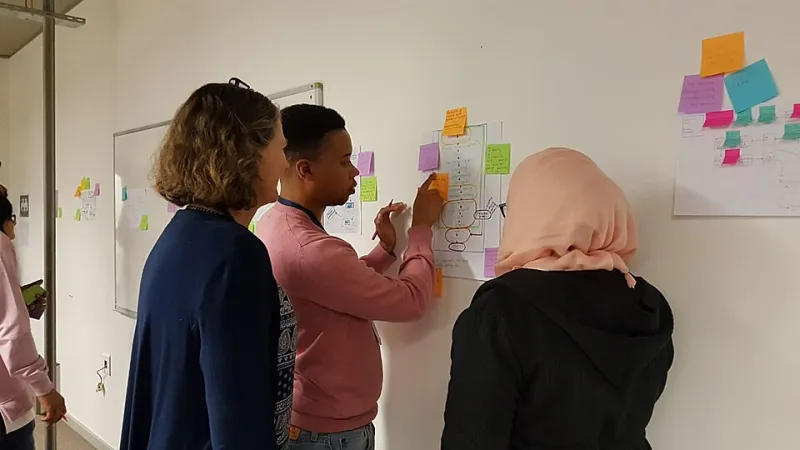
Photo: RafaelEsquer, CC BY-SA 4.0, via Wikimedia Commons
Nobody puts 'unlimited revisions' in the pitch deck. It just... happens. A client asks for a tweak. Then a tweak of the tweak. Then a version where you go back to round two but 'warmer.' By the time the project ships, you've done eleven rounds and billed for three, and everyone's pretending this is normal.
It's not normal. It's a slow leak in the hull, and most studios are bailing water instead of patching it.
How 'Free' Became the Industry Standard
The root of it is fear dressed up as flexibility. Early on, studios learn that clients love the phrase 'we'll make it right'—and somewhere that morphed into 'we'll make it right forever, at no charge.' A designer who pushes back on round five worries they'll look difficult. So they eat the work, invoice stays flat, and the studio's effective hourly rate quietly sinks below the freelancer down the street.
Multiply that across a year of projects and you're not losing a few hours. You're subsidizing your clients' budgets with your own payroll.
Name the Rounds Before the Work Starts
The fix isn't a hard line—it's a visible one. Build a simple structure into every SOW:
- Round 1–2: included. Feedback, direction changes, refinements. This is the collaborative part everyone expects.
- Round 3: included, with a flag. You deliver it, but the deliverable notes state that additional rounds move to the revision rate.
- Round 4+: billable. At a published hourly rate, listed in the original contract so nobody's surprised.
The magic is the flag. Clients don't resent paying for revisions nearly as much as they resent learning mid-project that revisions cost money. Price transparency up front turns an awkward conversation into a boring administrative detail.
The Script for the Conversation You're Dreading
You will still have to say the words. Keep it short and unemotional:
"Happy to keep iterating on this. Just a heads up—we're past the included rounds in the agreement, so the next pass bills at our revision rate of $X. Want me to send an updated estimate before we proceed?"
That's it. No apology, no essay, no groveling. Studios that tack three paragraphs of justification onto this email teach clients that the boundary is negotiable. One sentence and a price is a boundary. A paragraph is an invitation.
Rethink What a 'Revision' Actually Is
Here's the part most studios get wrong: not all feedback is a revision. If a client changes the target audience, kills a key character, or pivots the entire creative direction, that's not a revision—that's a new brief. Scope it, price it, and call it what it is. Blurring that line is how round three quietly becomes a full redesign you did for free.
Write the distinction into your contract. Revision: adjustments within the approved creative direction. Change of scope: everything else.
The Counterintuitive Payoff
Studios that charge for extra rounds report something odd: clients get more decisive. When feedback has a price tag, the note-givers in the room suddenly have opinions about which notes actually matter. The twenty-person email thread condenses into one clear memo. In a strange way, paid revisions make clients better collaborators.
You didn't build a studio to give away your Fridays. The work is worth paying for—including the work that comes after the client says 'almost there.'